Fallen leaves can provide shelter and cover for many small animals. Keep suitable areas undisturbed where safe, while adapting to local conditions.
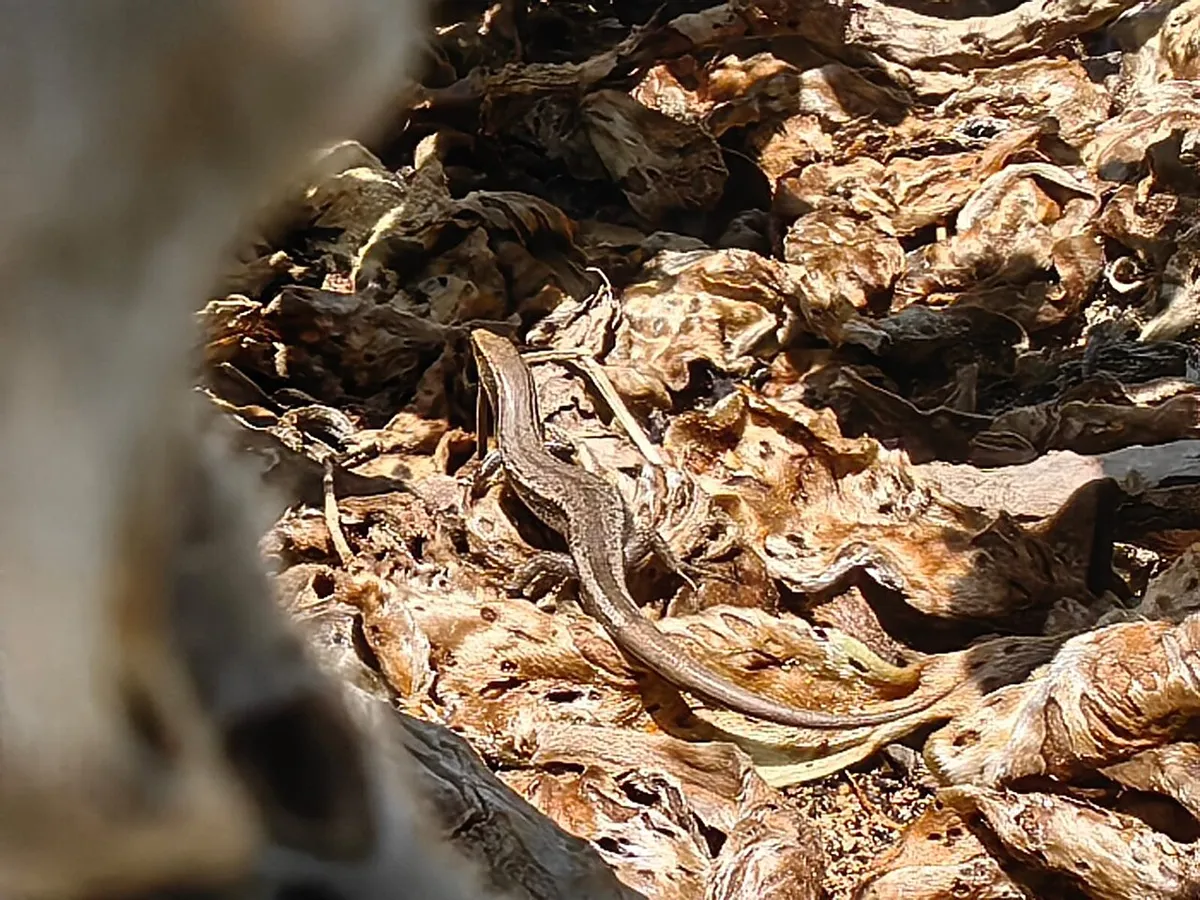
The photograph shows a skink among leaves in Mauritius. The cited overwintering examples are mainly North American; species and seasons differ elsewhere.
What happens under a leaf?
The loose layer of fallen leaves beneath a tree can look like a job waiting to be done. It is also a place where small animals find cover. The Xerces Society’s habitat guide describes invertebrates that use leaves and other plant material, including beetles, spiders and some butterflies and moths.
In cold North American climates, leaf litter can provide winter shelter for insects in different life stages. That is a regional example, not a seasonal timetable for Thailand or every other climate. Local species and weather determine how and when a patch is used.
Choose where leaves can stay
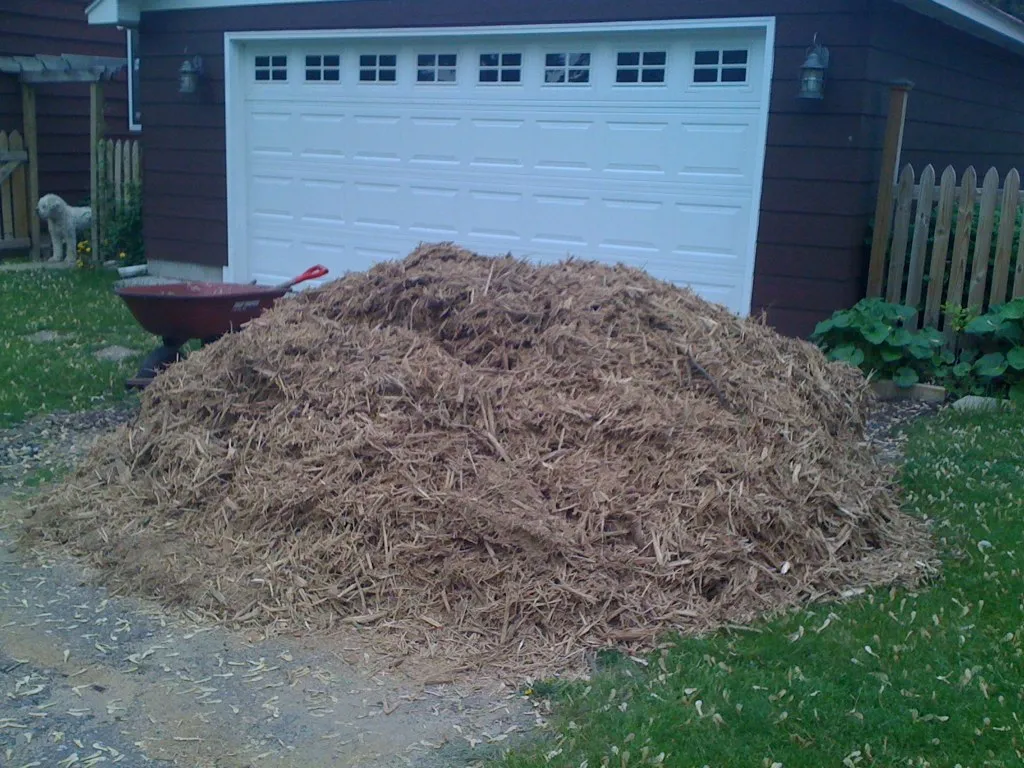
You do not have to leave every leaf where it lands. A quiet bed or suitable corner may offer a place to keep some whole leaves, while paths, drains and entrances stay clear. The Xerces guide notes that a thick accumulation can damage lawn grass, and suggests moving leaves into suitable garden areas. Avoid mowing the leaves if the aim is to preserve habitat already in them.
Around plants, consider leaf thickness and moisture as well as habitat. Keep material away from stems where it could remain wet against them, and avoid placing it where it could wash into a drain or become slippery. Our mulch guide describes why the material, depth and location matter.
Habitat involves trade-offs
Not every resident is welcome to every gardener. Leaf litter can also shelter organisms that damage plants; it does not guarantee natural pest control. The Xerces discussion includes both helpful predators and species that can cause garden problems. Observe the actual plants and seek local advice if a pest, disease or invasive species is suspected.
Follow local fire-safety rules and property requirements; in a fire-prone location, a clear zone around a building may matter more than keeping leaves there. Do not move questionable soil or plant material to another property. A small undisturbed space is useful only if it fits its surroundings.
Watch gently
Choose one safe patch and note its moisture, leaf types and visible visitors. You might see a spider or a beetle, but one sighting cannot tell you the whole community. Observe from the edge and leave the cover in place. A few dated observations in a garden field notebook can make a familiar corner more interesting without turning it into an experiment you have to disturb.
Sources & further reading
- Xerces Society · Leave the leaves ↗
- Xerces Society · Nesting and overwintering habitat ↗
- Xerces Society · Leave the leaves for natural pest control ↗
This founding-edition article was drafted with AI assistance and checked against the sources above. It has not had independent expert review. Read our editorial approach.