What does gravel change in a plant pot?
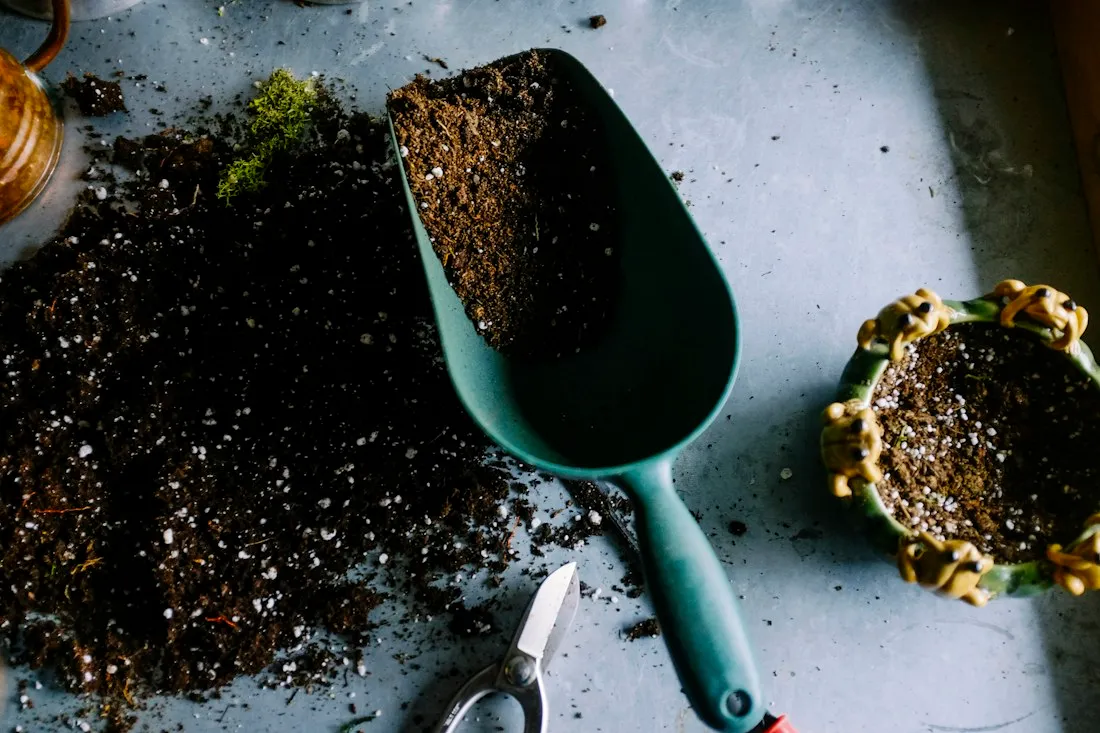
A 2025 experiment revisited drainage layers. Its water-retention results help explain conflicting advice about plant pots.
A growing collection of practical guides, clear explanations, and things worth noticing.
A small route through the journal, with something to notice or try at the end.
Connect the growing medium, the container and the reading from a sensor before changing your watering routine.
Separate soil texture from the other conditions that affect water.
Look at what a drainage-layer experiment measured and what it left open.
Understand why a sensor needs context and calibration.
Sketch your container and record its inside dimensions, medium and drainage opening. Volume is useful for buying mix; it cannot diagnose plant health.
Estimate potting mixMove from noticing your surroundings to understanding compost and starting a small growing project.
Use a small field notebook to notice plants, visitors and relationships.
Explore the materials, air and moisture involved in composting.
Start with the light and container you actually have.
Observe the same patch for ten minutes on two different days. Note the time, weather and what you notice without disturbing wildlife.
Open the field-notebook ideaRead a garden as a place shaped by people, then follow the knowledge that travels with a packet of seeds.
Ask who shaped the garden, how it is used and what it expresses.
See why labels, growing context and realistic expectations matter.
Choose a plant with a story attached to it. Ask its grower what they know, what they are uncertain about and what they are comfortable sharing.
Use the growing-note templateA 2025 experiment revisited drainage layers. Its water-retention results help explain conflicting advice about plant pots.
Seed sharing connects a packet of plants-to-be with local experience. The practical details of pollination and labelling help that exchange work.
Food, memory, craft, and a sense of place. Gardening is also a way people express and pass on culture.
Look a little closer. Even a small patch of green can become a place to observe pollinators, plants, and the connections between them.
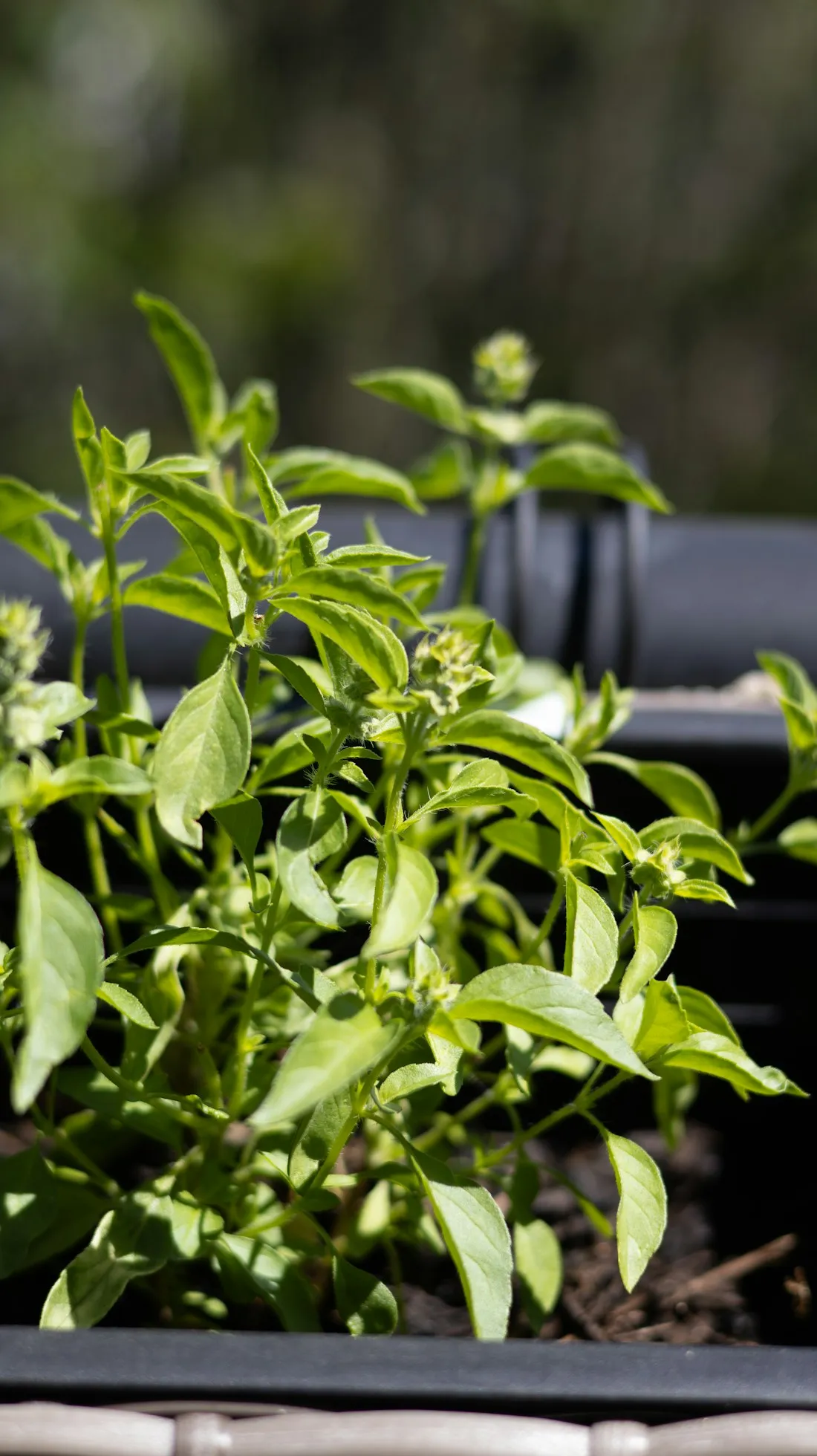
A practical starting point for choosing a container, finding the light, and learning when your herbs actually need water.
The familiar colour overhead begins with sunlight, tiny molecules, and a journey through the atmosphere.
Before automating your watering, understand the difference between an electrical reading and useful information about a plant.
Sand, silt, and clay help explain how soil holds water—and why the same watering routine behaves differently in different gardens.
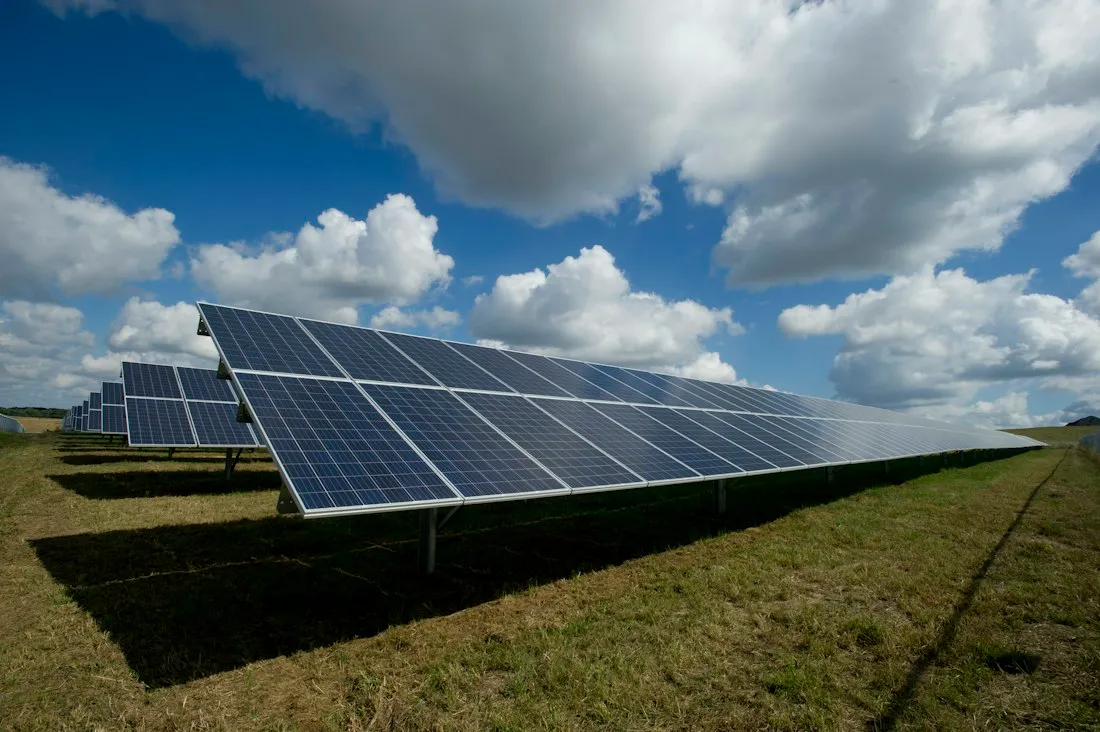
A clear introduction to photovoltaic cells, the parts around them, and the difference between generating energy and storing it.
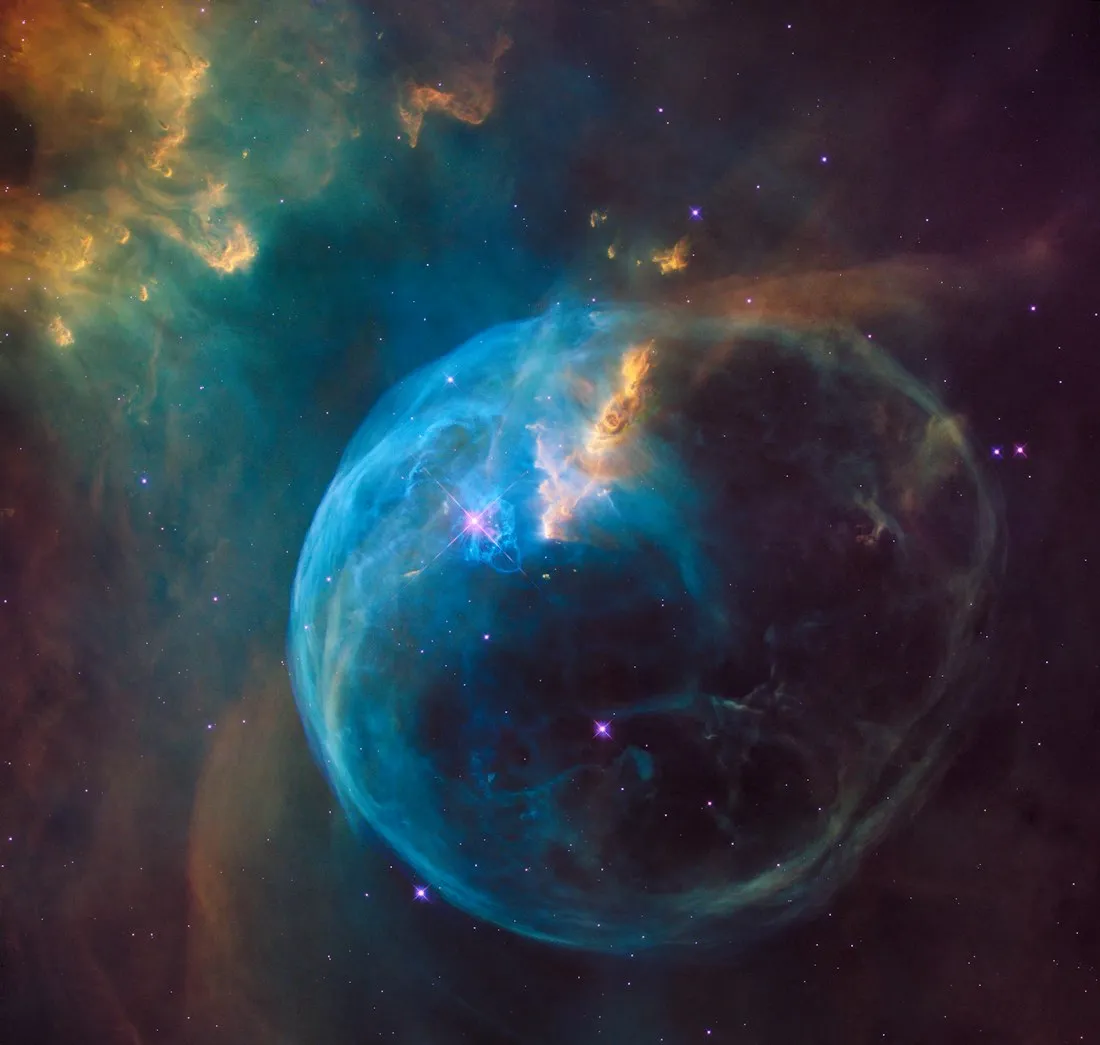
Revisit Webb’s first deep field and learn to separate what a striking scientific image shows from the questions it opens.
Follow the transformation from fallen leaves and suitable food scraps to a material you can return to the garden.
Learn how to check a container's growing mix, recognize misleading signals, and adjust watering to the plant and conditions.
Plan a small pollinator-friendly space by considering seasonal flowers, nesting places and pesticide exposure in your own region.