A garden is both a living environment and a cultural landscape. To understand one, ask who shaped it, what they value, and how it is used.
Read the choices
A garden reflects decisions: what to grow, how to arrange a path, where to sit, and which plants to share. These choices can connect practical needs with food traditions, ideas of beauty, and personal memory. The meaning depends on the people and place.
Science and garden art meet
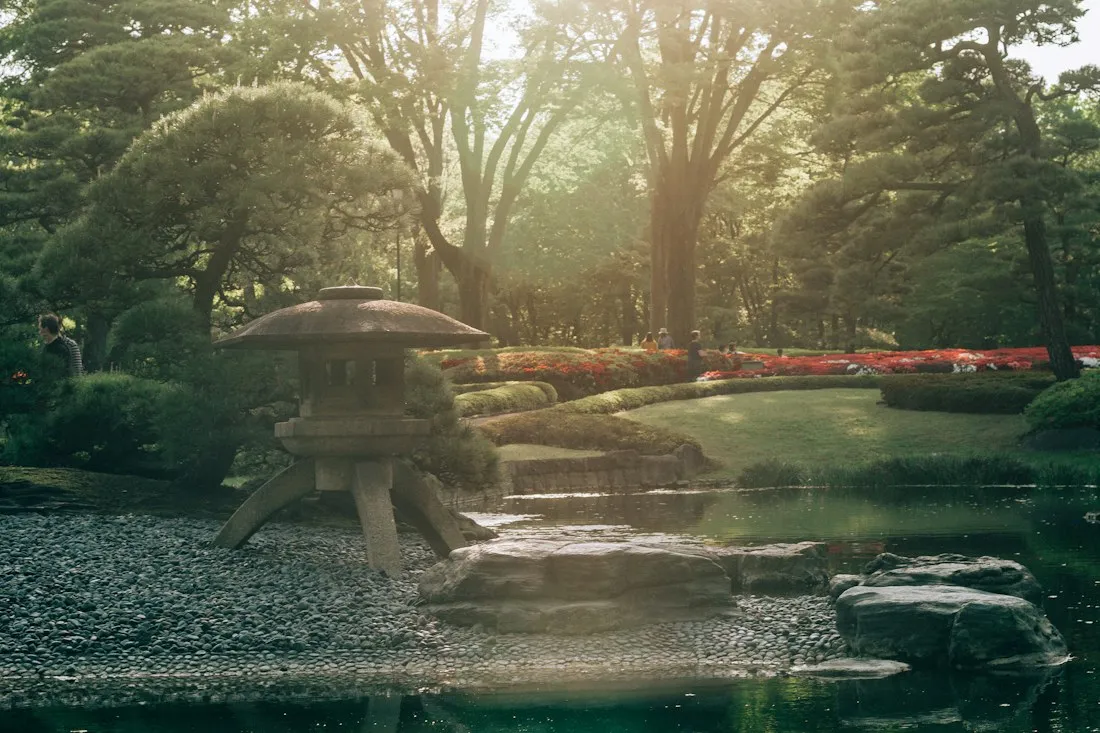
UNESCO describes Kew as a landscape that records developments in garden art and botanical science. Its buildings, collections, and design can be read together. A cultural landscape invites questions about the work and histories behind the view.
Living craft takes time
The US National Arboretum’s National Bonsai & Penjing Museum brings cultivated trees together with related art forms. A tree can be a living organism and part of an artistic practice at the same time. Individual traditions deserve their own histories rather than a single generalised label.
Begin with a local story
Ask someone why they grow a particular herb or how a family learned to prepare it. Record their words with permission and keep their experience distinct from broader historical claims. A good culture story gives people room to explain what their practices mean to them.
Sources & further reading
This founding-edition article was drafted with AI assistance and checked against the sources above. It has not had independent expert review. Read our editorial approach.