A scientific image is the beginning of an investigation. Its instruments, processing, and supporting measurements matter.
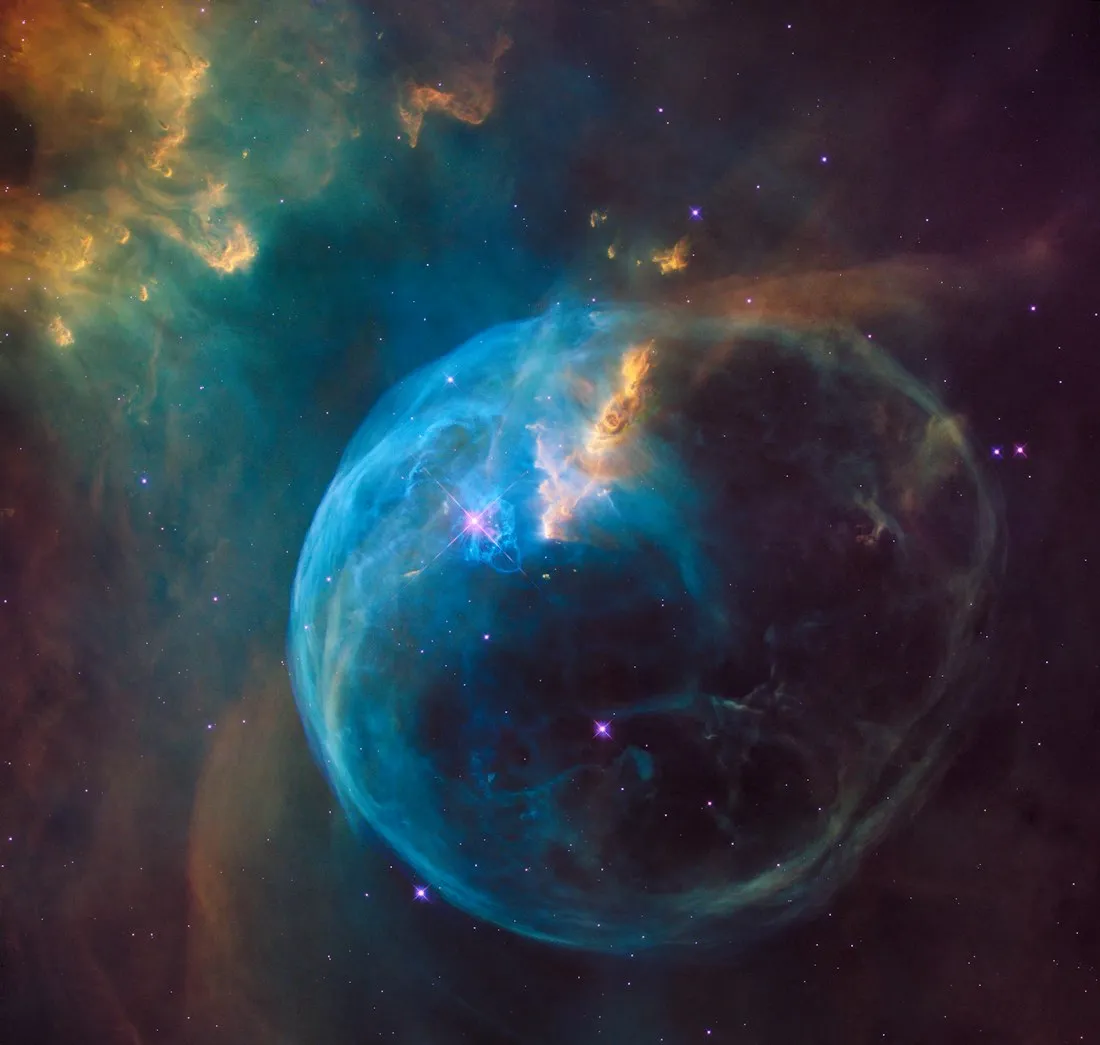
Archive explainer · The source announcement was published on 11 July 2022. This is not breaking news. The cover photograph is illustrative, not a Webb image.
A very small window
NASA released Webb’s first deep field, centred on galaxy cluster SMACS 0723, in July 2022. The infrared view contains thousands of galaxies in a small patch of the sky. The image brought together observations at different wavelengths.
A natural lens
The mass of a foreground galaxy cluster can bend and magnify light from objects behind it. This gravitational lensing helps astronomers investigate more distant galaxies, but interpreting the view requires more than counting bright shapes.
Read the caption as carefully as the picture
Ask which instrument collected the data, which wavelengths are represented, and how colours were assigned. To interpret claims about distance or age, look for the supporting measurements and the researchers’ stated uncertainties. An attractive image alone cannot resolve every question.
Follow the evidence
Start with the original NASA release linked below, where you can see the actual deep-field image and its credits. Then follow links to the underlying observations. This archive entry models how our discoveries section will provide context and sources rather than treat an old result as a new announcement.
Sources & further reading
- NASA · Webb delivers its first deep field, 11 July 2022 ↗
- STScI MAST · Science data for Webb’s first images ↗
This founding-edition article was drafted with AI assistance and checked against the sources above. It has not had independent expert review. Read our editorial approach.