For a simple seed-saving project, choose a known open-pollinated common bean, let seeds mature, dry them well and label what you actually know.
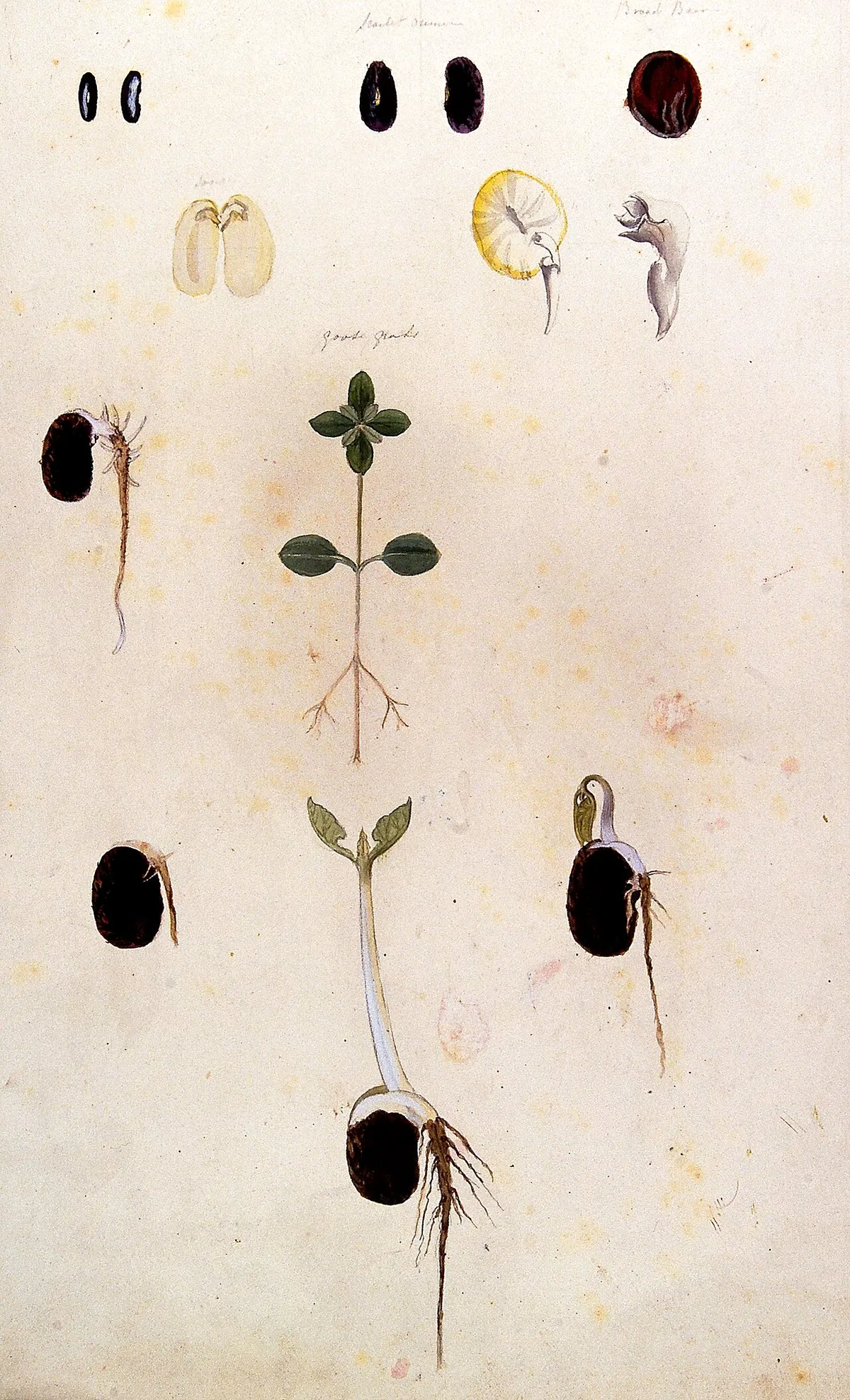
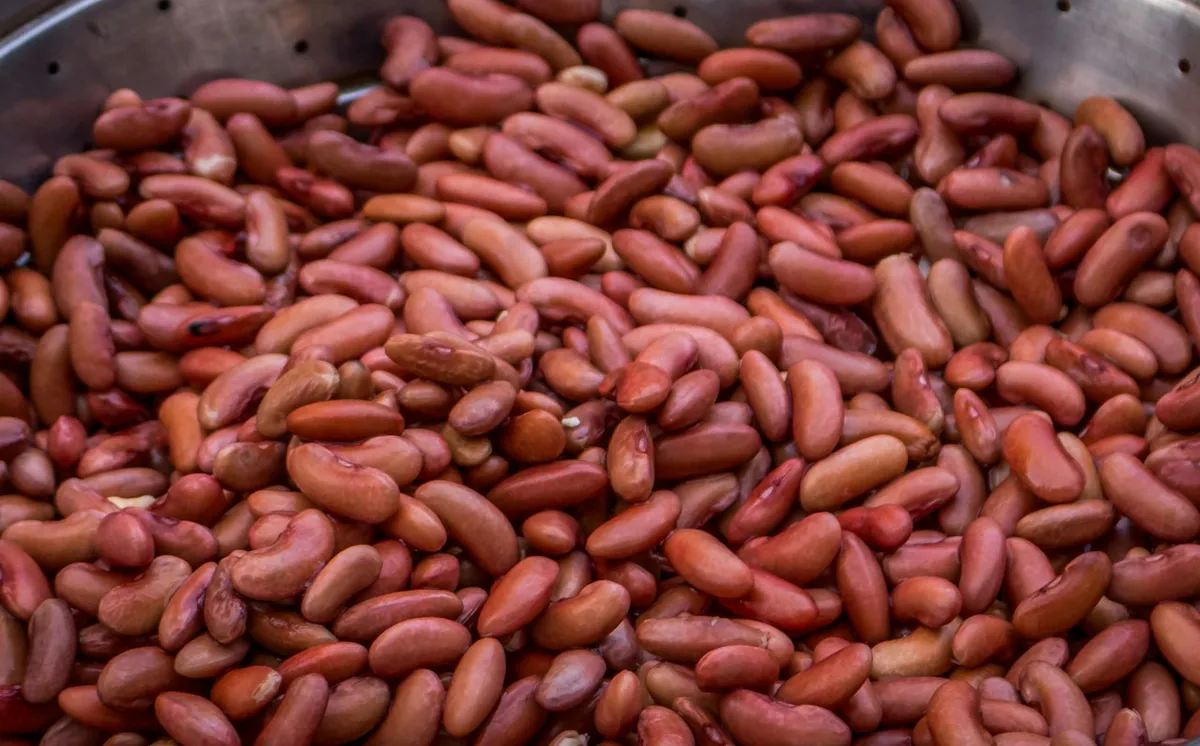
The pictured dried kidney beans illustrate the crop, not a guarantee of seed viability. Guidance is for common beans; local climate, diseases and seed-sharing rules differ.
Start before harvest
Saving seed begins while the plant is still growing. If you harvest every bean pod young, the seeds inside will not have had the time they need to mature. Choose a few healthy common bean plants and leave suitable pods to develop beyond the stage at which you would normally pick them for eating.
University of Minnesota Extension recommends open-pollinated varieties for seed saving when the aim is plants similar to their parents. Seed from a hybrid may grow, but its next generation can vary. The variety name on the original packet is useful information; an unknown seed can still be an experiment, but label it as unknown.
Pollination changes the expectation
Common beans generally self-pollinate, making them a relatively approachable starting crop. Cross-pollination by insects is still possible: Seed Savers Exchange notes that its frequency can vary with variety and climate. Separating varieties reduces the chance of a cross; its guide gives different isolation distances for ordinary saving and more demanding genetic preservation.
Do not assume those bean distances apply to squash or corn. Their pollination differs. If keeping a rare variety’s identity matters, use crop-specific advice about isolation and how many plants to save from. Our seed library story explains why the name and growing history are part of the exchange.
Dry, clean and label
Let pods mature and dry as conditions allow; collect them before they split and scatter their seed. Shell the pods and remove plant debris and seeds that appear damaged. Finish drying in a sheltered place with good airflow. Only seal seeds in a container once properly dry, then store them somewhere cool, dark and dry. Label the crop, variety if known, collection year and useful observations.
Humidity matters. Seed Savers Exchange’s advice for humid regions notes that rain and damp conditions can make drying on the plant difficult. If mold or disease is present, do not share questionable seed; seek local advice. Storage life and germination depend on the crop and conditions, so planting a few seeds later can tell you more than a label alone.
Share with context
A packet marked “common bean, variety unknown, saved in 2026” is more useful than an invented name. Note where it was grown and whether other varieties were nearby. Check local seed-exchange rules and ask what a library accepts before donating. Saving a small amount for your own next planting is a good way to learn without promising that every seed will grow or come true.
Sources & further reading
- University of Minnesota Extension · Saving vegetable seeds ↗
- Seed Savers Exchange · Growing and saving beans ↗
- Seed Savers Exchange · Saving seeds in humid conditions ↗
This founding-edition article was drafted with AI assistance and checked against the sources above. It has not had independent expert review. Read our editorial approach.