Texture describes mineral particle sizes. It helps you understand drainage, but it is only one part of soil health.
Start with texture
The proportions of sand, silt, and clay influence how a soil behaves. Sandy soils tend to drain quickly. Clay-rich soils tend to retain more water and can become compacted when worked wet. Loams combine particle sizes in proportions that avoid some of the extremes.
Texture is not the whole story
Structure describes how soil particles are arranged into aggregates and pore spaces. Organic matter, roots, compaction, and management also affect the root environment. A single label such as “clay” cannot tell you everything about a garden.
Look before changing anything
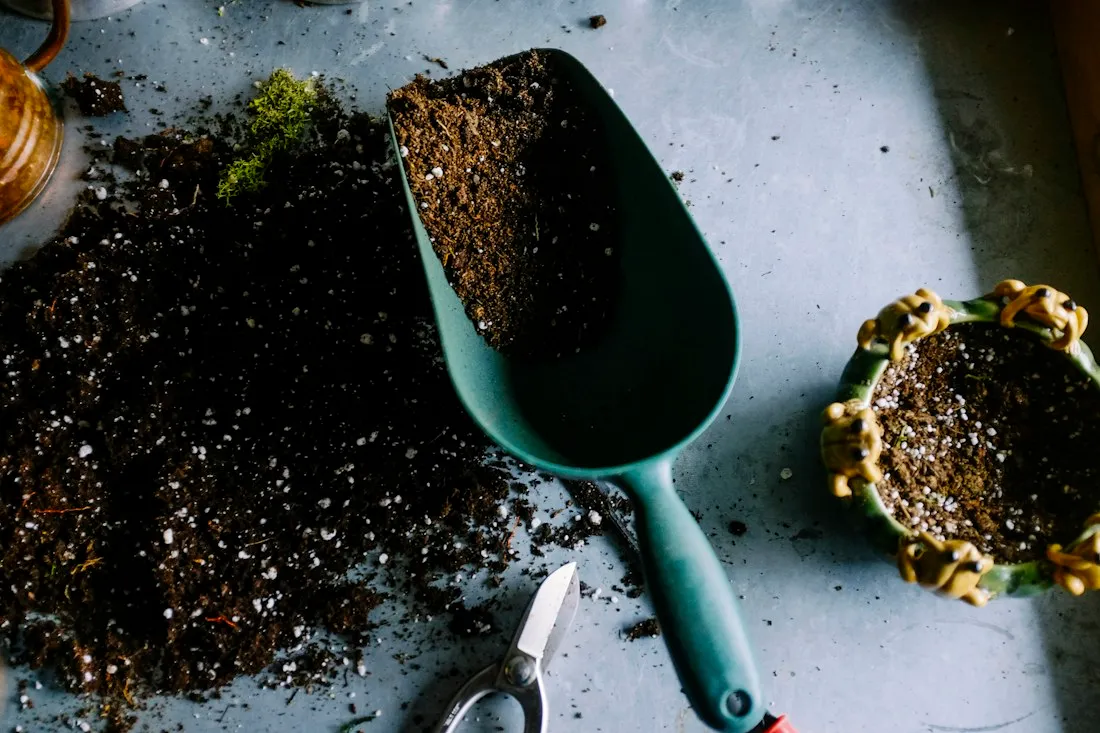
Notice how water enters the soil, whether puddles remain, and how the surface behaves after drying. Use local advice and, where useful, a soil test before adding amendments. Container potting mixes are a different growing environment from mineral garden soil.
Sources & further reading
This founding-edition article was drafted with AI assistance and checked against the sources above. It has not had independent expert review. Read our editorial approach.