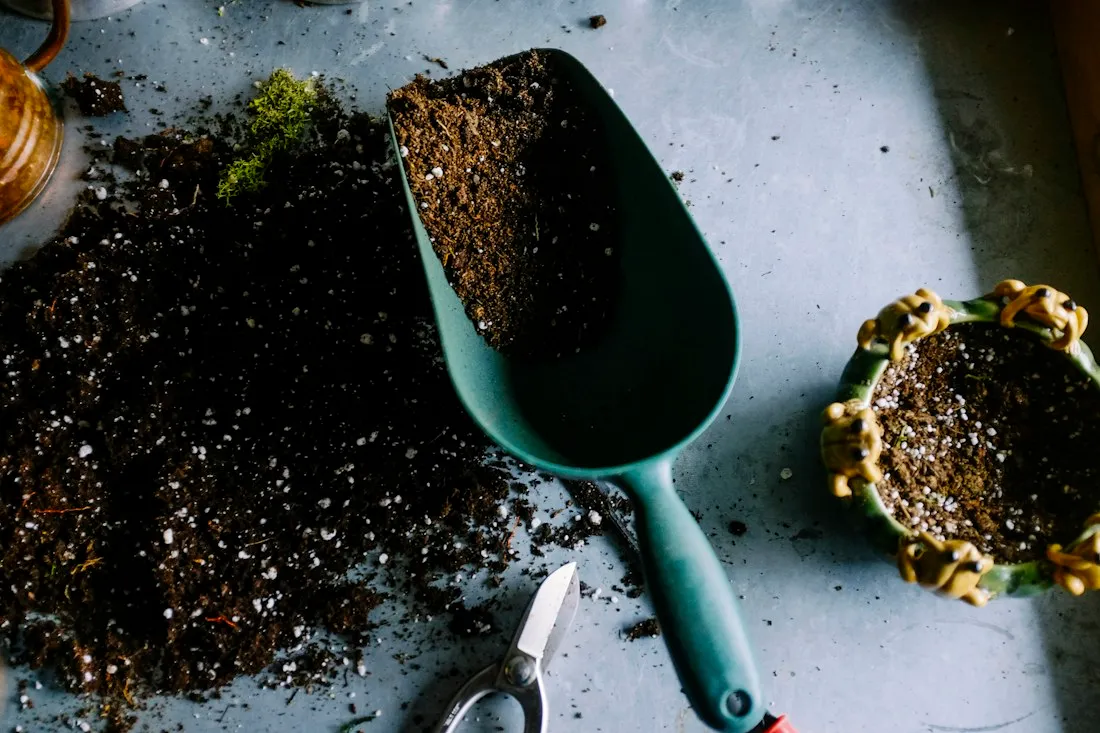
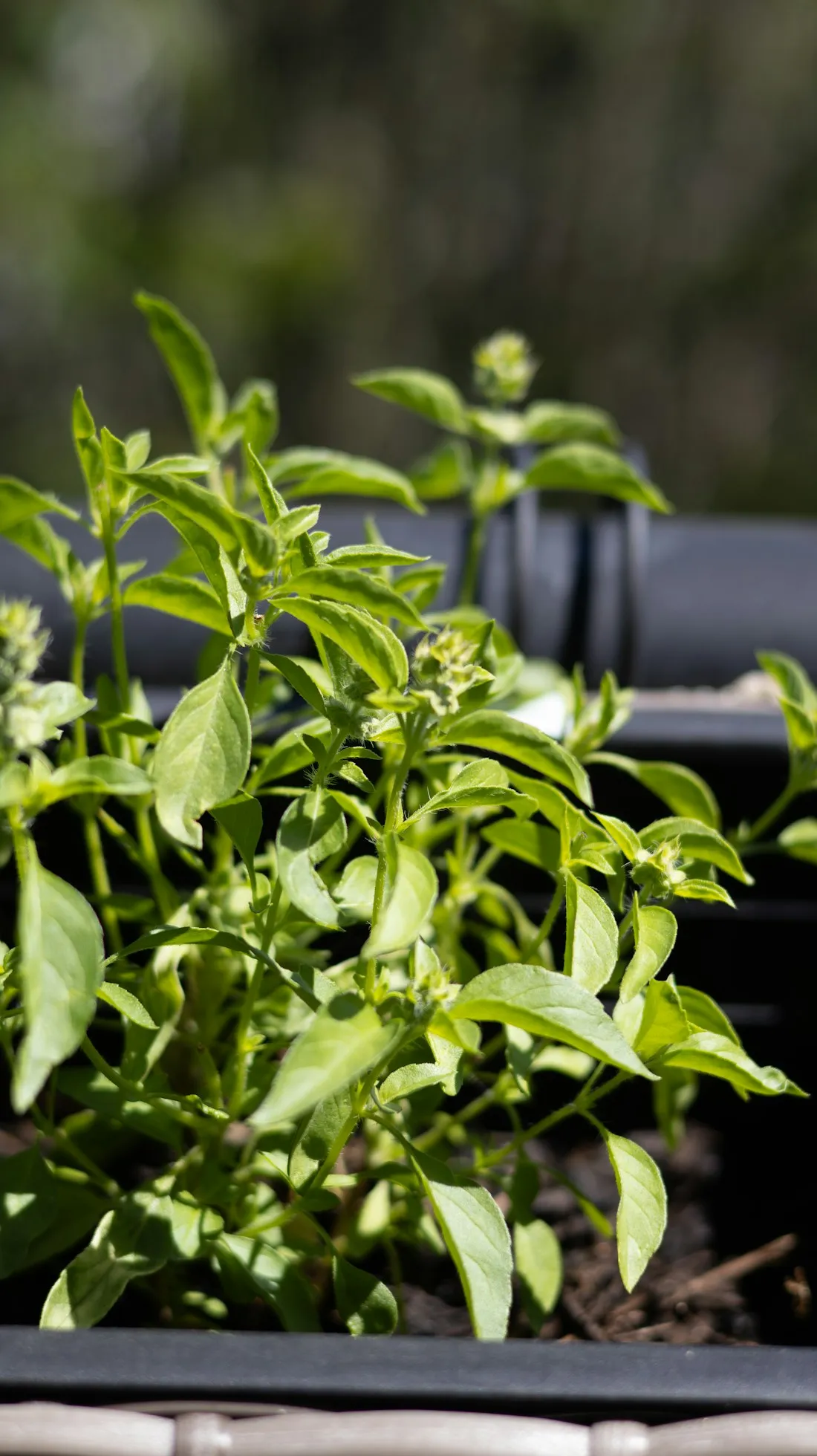
Check below the surface and consider the plant, container and weather together; a fixed watering calendar cannot describe every pot.
This guide draws on container-gardening advice and a small bedding-plant experiment. Plant requirements and climates differ; it is not a diagnosis of an individual plant.
A schedule is a reminder to check
Two pots on the same shelf can dry at different speeds. A small pot, a warm window, moving air and an actively growing plant can all change how quickly a growing mix loses moisture. A weekly reminder is useful if it prompts an inspection; it is not evidence that every plant needs water on that day.
Start by learning the needs of the plant you actually have. Some prefer a more consistently moist mix; others tolerate a longer dry interval. A seedling and an established plant may also need different attention. The advice below is a way to observe an ordinary draining container, not a prescription for every species.
Look below the dry surface
The surface can dry while the mix underneath remains damp. The Royal Horticultural Society’s container guide recommends checking beneath the surface before watering. In a small pot, touch the mix a little below the top without damaging roots; in a deeper container, a clean wooden stick can help you inspect deeper. Neither method measures moisture precisely.
Lift a small pot when it has just drained and again when it is noticeably drier. The change in weight can become a useful clue over time. A heavy pot may still be wet, but its material and the weight of the plant matter too. Combine the weight with a moisture check instead of treating either observation as a meter.
Read the container, not only the leaves
Wilting tells you a plant is stressed; it does not identify the cause by itself. Check the mix and drainage before adding more water. If the mix is still wet and the pot sits in a full saucer, more water may make the root environment worse. The University of Minnesota Extension notes that retained water in trays can leave a container waterlogged.
Make sure the container has an open route for excess water to leave. If a nursery pot sits inside a decorative pot, lift it out to check for standing water. Our guide to drainage layers explains why a layer of stones does not create an exit in a sealed pot.
Water slowly when it is needed
When the plant and the mix call for water, pour slowly onto the growing medium so it can absorb the water instead of sending it straight over the rim. The RHS advises stopping just before or as water begins to emerge from the drainage holes; empty water that accumulates in a saucer or outer pot. Avoid treating a particular volume as a universal dose: pot size, mix and plant all matter.
If very dry mix pulls away from the sides, water may run down the gap before the root area is evenly wet. Pause and check the mix again rather than assuming that water leaving the base proves every part is moist. For a pot that is difficult to rewet, consult guidance for that growing medium and plant before changing several things at once.
What an experiment can—and cannot—tell you
In an RHS-supported experiment with bedding plants, petunias performed well with less water than was needed to saturate the compost. The researchers also reported good plant quality when irrigation below the surface left the upper layer dry. That illustrates why the top surface alone can mislead; it does not supply a watering amount for a different plant, pot or climate.
Try a short observation record for one plant: note the date, its location, what the mix felt like below the surface, whether water remained in the saucer and what changed after watering. Record uncertain signs rather than assigning a diagnosis. If the plant continues to decline, look for species-specific help and consider light, temperature, pests and root condition as well as water.
Sources & further reading
- Royal Horticultural Society · How to water containers ↗
- Royal Horticultural Society · Watering containers experiment ↗
- University of Minnesota Extension · Fertilizing and watering container plants ↗
This founding-edition article was drafted with AI assistance and checked against the sources above. It has not had independent expert review. Read our editorial approach.