Many garden plants need oxygen around their roots. Persistently saturated growing mix can damage roots, so investigate the soil before treating wilt as thirst.
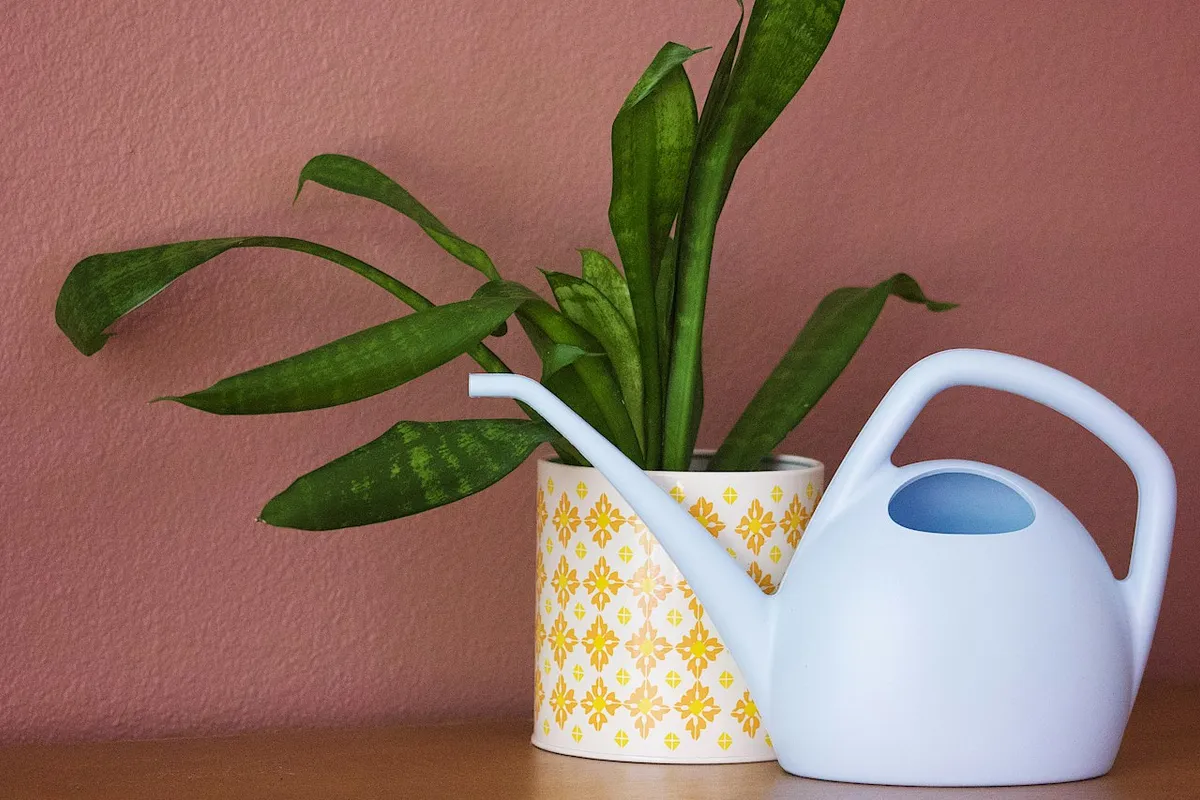
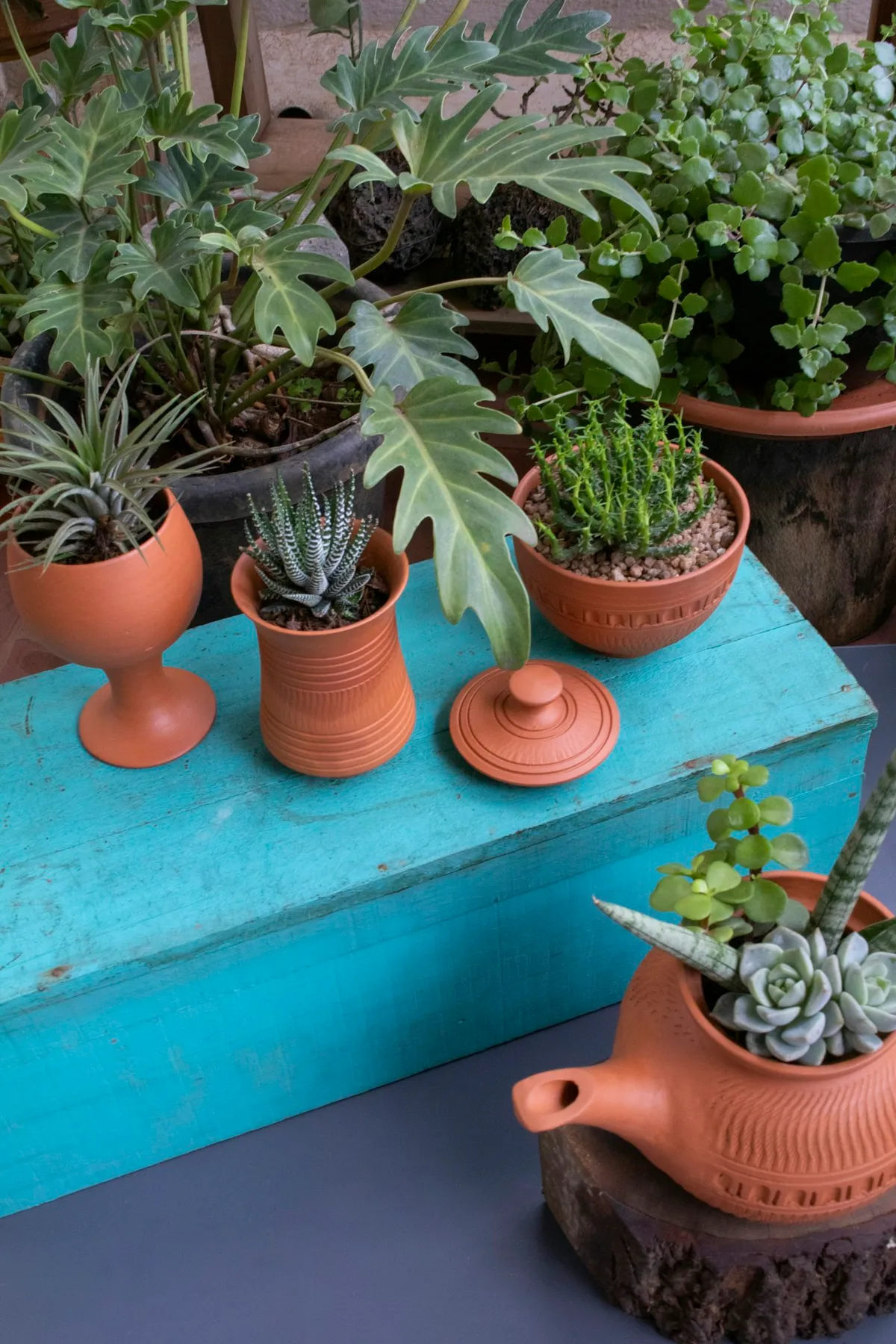
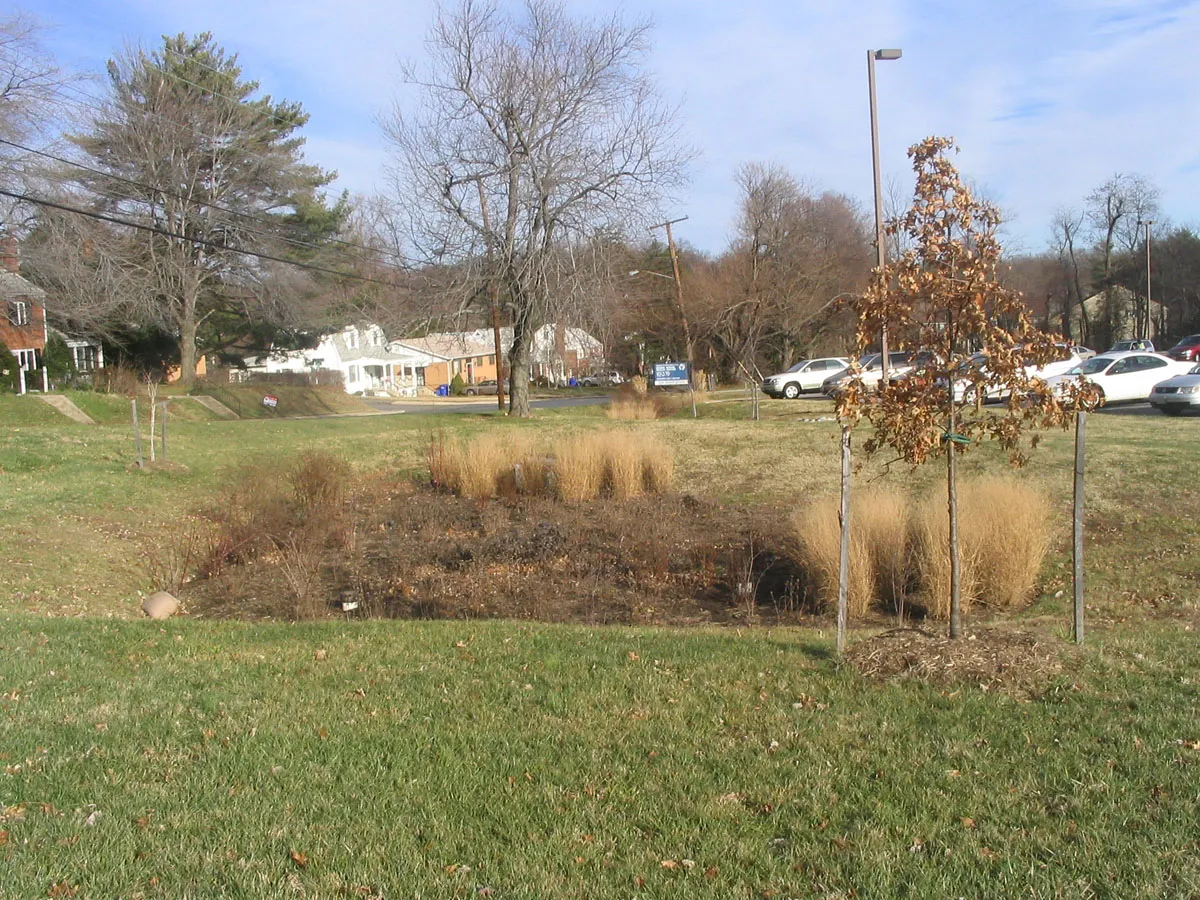
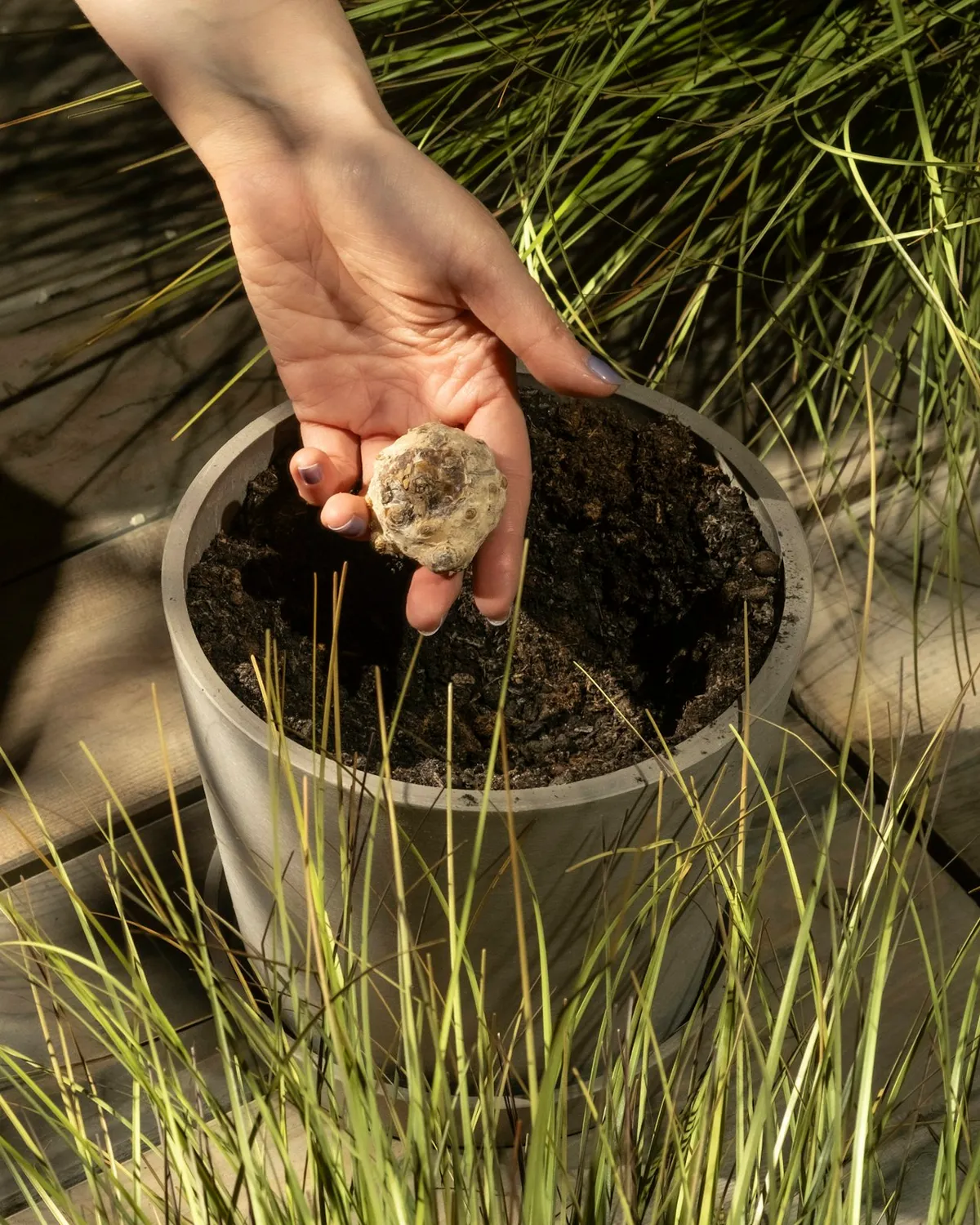
The photograph is illustrative. Plants vary in their tolerance of wet soil; the sources discuss ordinary garden and container plants, not all aquatic or wetland species.
A wilted plant can be wet
Wilting looks like a request for water. Sometimes it is; sometimes the growing mix is already saturated. Before adding more, feel below the surface and check whether excess water has a way out of the container.
Soil and potting mixes contain spaces between particles. These spaces can hold both air and water. After heavy or frequent watering, water can occupy more of that space, leaving less oxygen available to roots. University of Maryland Extension explains that excess water can damage fine roots and reduce a plant’s ability to take up water. This is one reason a wet plant can show symptoms that resemble drought.
Look for the whole story
Wilt alone is not a diagnosis. Heat, lack of water, damaged roots, pests and disease are among the possibilities. Check the growing mix, recent weather, drainage and the plant’s own needs together. If the container sits inside a decorative pot or saucer, check whether water has collected there; avoid letting a plant that requires drainage stand in it.
Many houseplants benefit from a pot with drainage holes. University of Minnesota Extension also cautions that an oversized pot can leave a plant susceptible to root rot. A hole helps excess water escape, but it does not make a poorly suited mix or an unsuitable watering routine harmless.
What to do next
If the mix is wet, pause before watering again and check it over time. Follow species-specific care: a moisture-loving plant, a desert cactus and an aquatic plant do not share one schedule. A seriously declining plant may need local horticultural advice or a closer inspection of its roots; removing and disturbing roots can cause damage, so do not treat repotting as an automatic first step.
Our container watering guide offers ways to observe the mix. For a closer look at one common potting idea, read what a drainage layer changes. Both are starting points, not a substitute for knowing the plant in front of you.
Sources & further reading
- University of Maryland Extension · Excess water damage on flowers ↗
- University of Minnesota Extension · Winter houseplant tips ↗
This founding-edition article was drafted with AI assistance and checked against the sources above. It has not had independent expert review. Read our editorial approach.